How Personal Preferences Shape the Way We Choose the Online Games We Play
Today’s vast world of online gaming offers something for every kind of player. Whether you’re a casual gamer who prefers relaxing story-driven titles or a competitive player drawn to challenging games, you won’t feel left behind with the wide range of online gaming experiences available today. But have you ever wondered why certain types of games appeal to you while others don’t? Or whether there’s a deeper reason why you choose one game over another?
If you regularly play casino online or enjoy other online games, chances are you have a go-to genre or a title you return to again and again. Maybe your choices are driven by visual appeal or the kind of experience you seek from a session. Either way, these preferences have an impact on the way you choose the online games you play. To help you better understand your gaming decisions, let’s look into how your personal preferences influence the games you select. This gaming and online casino guide can help reveal how personal tastes shape your choices, whether you enjoy Pinoy casino games, popular international casino titles, or other online games.
The Emotional Experience We Want Influences Which Games We Choose
The feeling you want from a gaming session can influence which title you pick from an online gaming platform or an online casino in the Philippines. After a demanding day, you might prefer a forgiving game that lets you explore without pressure, while another evening may leave you seeking something more stimulating. These choices reflect the experience you want at that moment rather than a permanent commitment to one genre.
Recognizing this distinction can explain why a favorite game sometimes feels unappealing despite remaining enjoyable overall. You may still appreciate its design or mechanics but lack the energy for the emotional intensity it brings. Asking whether you want to unwind or feel energized at a particular moment can help you select a game that better suits your current mood.
Our Preferred Level of Challenge Guides the Difficulty We Seek
Your preferred level of challenge influences how much resistance you want a game to offer before success feels satisfying. If you enjoy accomplishing demanding tasks, repeated attempts may feel worthwhile when they reveal mistakes and help you learn from them. If you prefer more accessible entertainment, the same difficulty may interrupt the enjoyment you hoped to find.
This preference guides your choice of difficulty settings as well as the games you select. One way to determine this preference is to gauge whether failure encourages you to try a different approach or simply makes you want to stop. Choosing challenges that allow you to experience growing competence can make play more appealing, without requiring every session to test your limits.
The Gameplay Mechanics We Enjoy Steer Us Toward Certain Types of Games
Beyond difficulty, your choices also depend on the actions you enjoy performing during gameplay. You might appreciate comparing possible moves before deciding, or prefer responding immediately to events unfolding on the screen. These preferences can draw you toward different games even when their themes or difficulty levels appear similar.
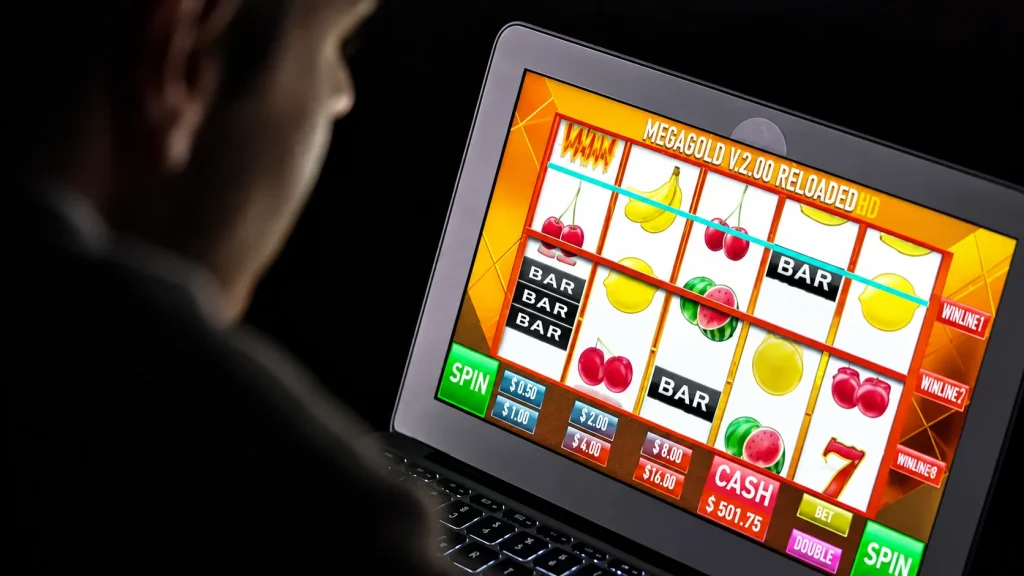
Instead of relying entirely on genre labels, consider what holds your attention during a typical gaming session. A game advertised as an adventure may involve extensive combat, while another emphasizes solving environmental puzzles. Evaluating actual gameplay helps you identify whether its repeated activities match your interests, since games within the same broad category can offer different interactions.
Our Taste in Visuals and Themes Shapes Which Games Catch Our Attention
A game’s visual presentation is the first thing you notice before you even understand its rules. You might feel drawn to detailed environments that resemble real places, or prefer expressive characters and stylized scenery. An appealing presentation can make you more willing to explore a game and spend time learning how it works.
Themes provide another entry point by connecting the experience with subjects you’re already interested in. For example, an interest in historical settings may encourage you to investigate a title you would otherwise overlook. That said, an attractive setting doesn’t guarantee lasting enjoyment, so watching gameplay or playing a demo version can help you determine whether the experience beneath the presentation also suits you.
Our Preferred Pace and Session Length Drive Our Choice of Gaming Experiences
Your preferred playing rhythm also affects whether a game feels comfortable to pick up regularly. If you enjoy brief sessions, you may choose experiences with self-contained rounds that allow you to stop whenever you need to. If you prefer sustained involvement, longer missions or extended experiences may provide the continuity you find satisfying.
Pace also concerns how frequently the game requires action, rather than simply how long a session lasts. A short round can demand constant attention, while a longer session may allow considerable time between decisions. Before choosing, check how the game handles interruptions and whether its stopping points fit the way you prefer to spend your gaming time.
Our Desire for Social Interaction Guides Our Choice of Solo or Shared Play
For some regular players, selecting a game also means choosing how to spend time with other people. Interactive or live experiences offered by casino gaming platforms can appeal to some players because they provide opportunities to engage with others when they play casino here. Others may prefer games they can enjoy without thinking about seat limitations or live table availability.
Meanwhile, when it comes to cooperative gameplay, the amount of communication involved can matter as much as whether other players are present. You might enjoy joining a shared world but prefer optional text chat over continuous voice conversations during coordinated missions. Checking how much interaction a game requires helps you find a social experience that feels welcome rather than turning leisure into another obligation to others.
Our Interest in Competition Shapes Whether We Choose Competitive Modes
A strong sense of competitiveness can lead you toward games where success involves testing your abilities against other players. Rankings and leaderboards may appeal because they offer a visible comparison and a reason to refine your approach. As such, someone who dislikes that pressure may choose unranked modes, even while enjoying the same underlying game.
Competition is separate from social connection because you can enjoy playing with others without aiming to outperform them. Likewise, you can appreciate a difficult challenge without being interested in a public ranking. Understanding whether comparison adds excitement or creates frustration helps you choose games that support your enjoyment.
The Progress We Find Meaningful Influences Which Games We Keep Playing
In online casino gaming, the progress you find meaningful may involve understanding the rules better or becoming more comfortable with the decisions you need to make in a game. If you enjoy learning, you may favor games whose available choices give you something to examine. Another player, meanwhile, may prefer familiar rules that make participation straightforward. These preferences influence which games remain interesting beyond the outcome of an individual round.
Consider whether you return to a game because you enjoy the gameplay or because you feel compelled to recover losses or reach a reward threshold. While greater familiarity can help you understand a game, it doesn’t give you control over random outcomes or guarantee wins. Treating progress as better understanding and more deliberate participation, rather than increasing winnings, can help you assess whether a game genuinely suits your preferences.
Our Preference for Familiarity or Novelty Guides Whether We Revisit or Explore
Familiar games can offer the comfort of knowing what to expect and how to begin a session. If you value that ease, you may return to an established favorite instead of spending your free time learning unfamiliar controls or mechanics. This can make a well-known title appealing even when newer alternatives offer features you might enjoy.
A preference for novelty can instead encourage you to try experiences that introduce unfamiliar interactions or possibilities. You might enjoy discovering how a new system works as much as reaching its later stages. That said, neither approach needs to define every choice you make. Experimenting occasionally can help you distinguish genuine satisfaction with familiar games from simply selecting them automatically.
Our Comfort with Unpredictability Shapes the Game Outcomes We Find Appealing
Your comfort with uncertainty can influence whether unexpected events make a game more interesting or less enjoyable. You may appreciate situations that require adapting to surprises or prefer outcomes closely connected to deliberate decisions. When selecting a game, understanding the role of randomness allows you to judge whether its uncertainty suits your preferences.
For casino games, enjoying unpredictable outcomes doesn’t mean you can control them through confidence or personal taste. Random outcomes remain governed by the game’s rules and probabilities and not by how strongly you expect a favorable result. Keep the appeal of the experience separate from spending decisions, with limits based on what you can afford to lose.
Our gaming behavior and decisions can reveal more about us than we realize. While personal preferences can strongly influence our gaming choices, they shouldn’t keep us from expanding our entertainment options beyond what we’re familiar with. By paying attention to your own preferences and being open to new experiences, you can find more satisfying gaming experiences while refining your understanding of what you enjoy.